Expertise Areas
User and Society
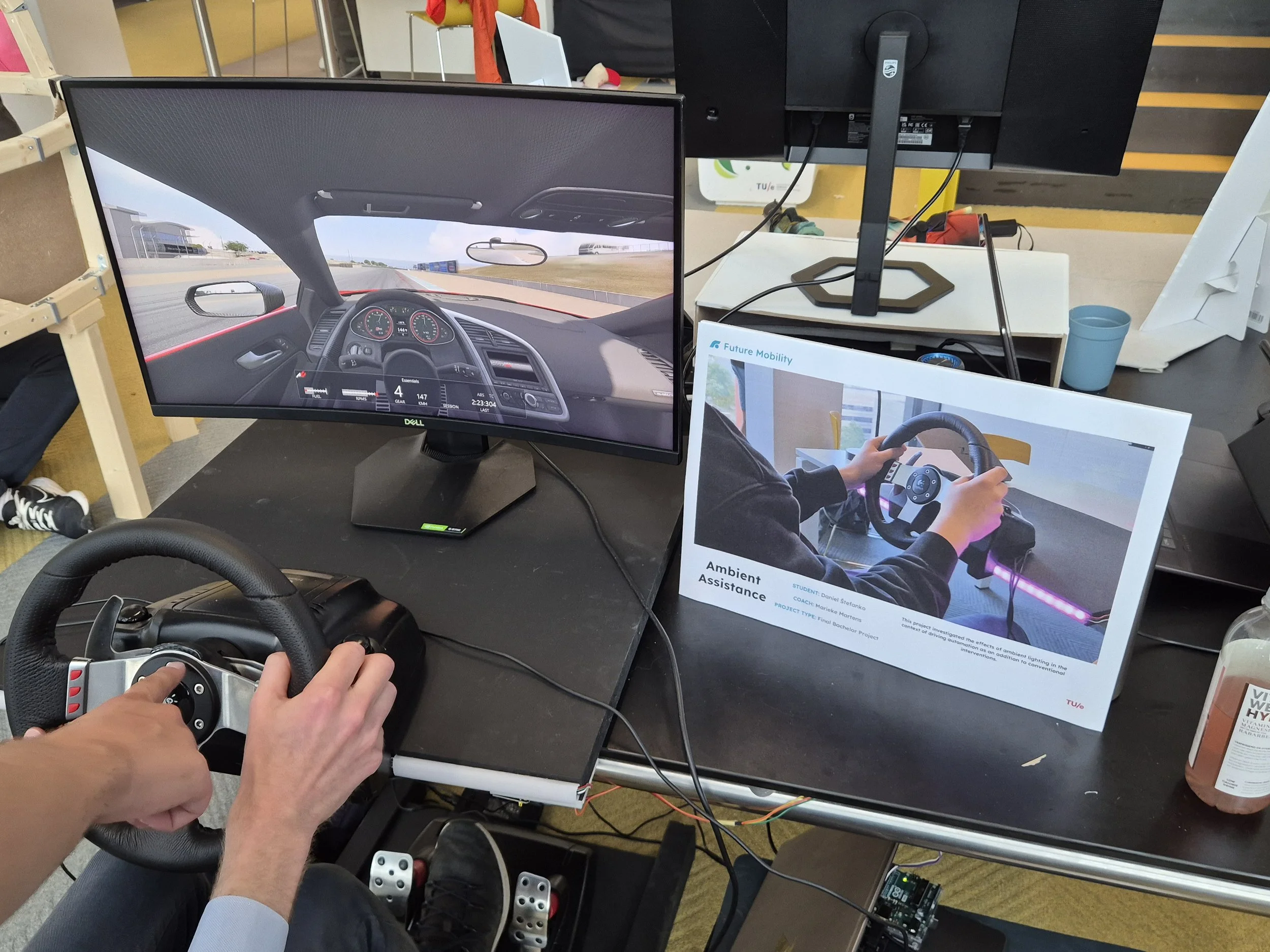
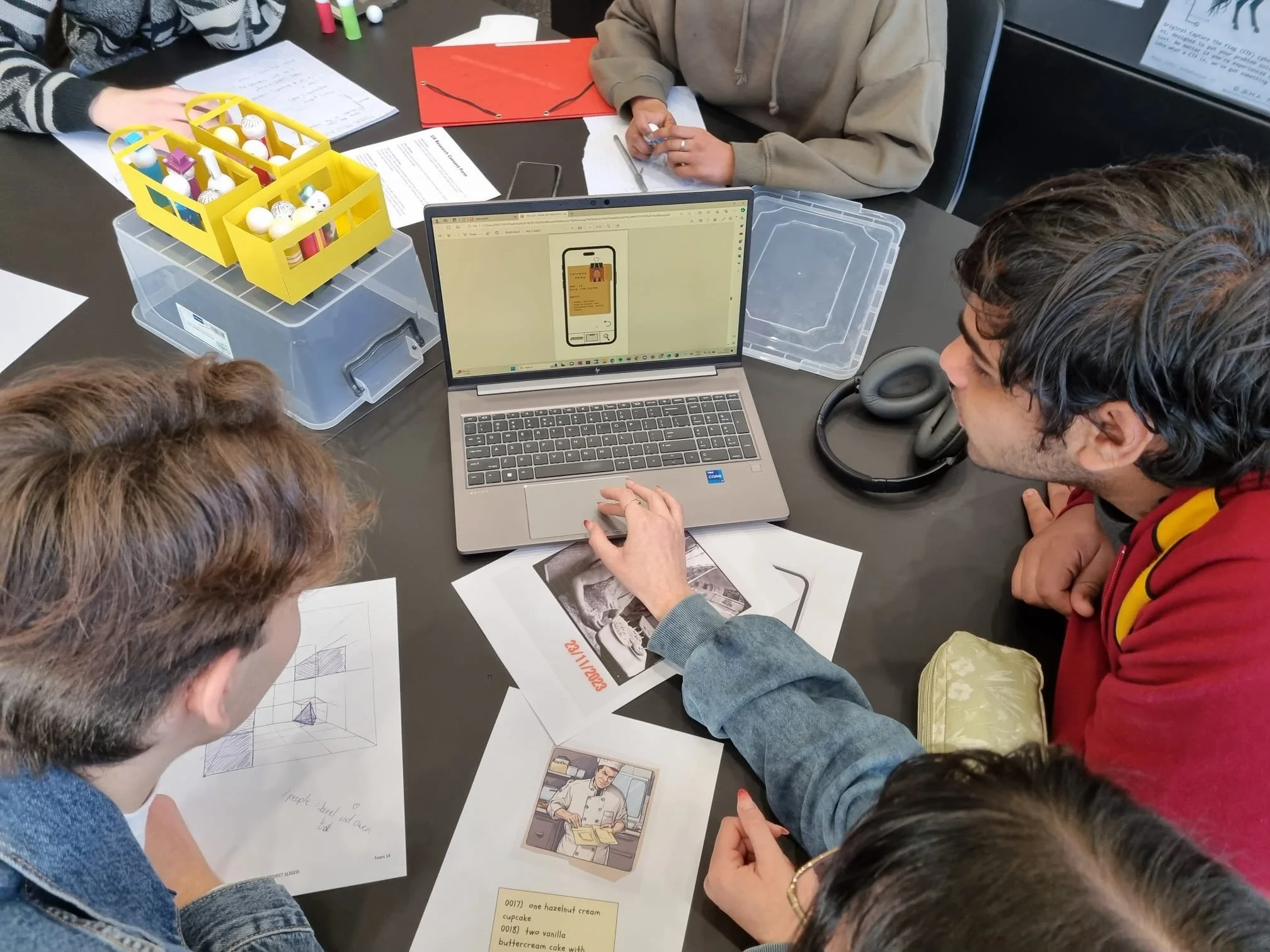
The main learning point from this study was that designs will have an impact on either the user or society. Many courses offered insight into how to involve users in the process and how to gain more user input.
Before the studies, I had no idea how to include users and their feedback in the design process, but I gradually recognized the great benefits this offers, such as great insights from exploratory co-creations, all the way to user testing the developed prototypes.
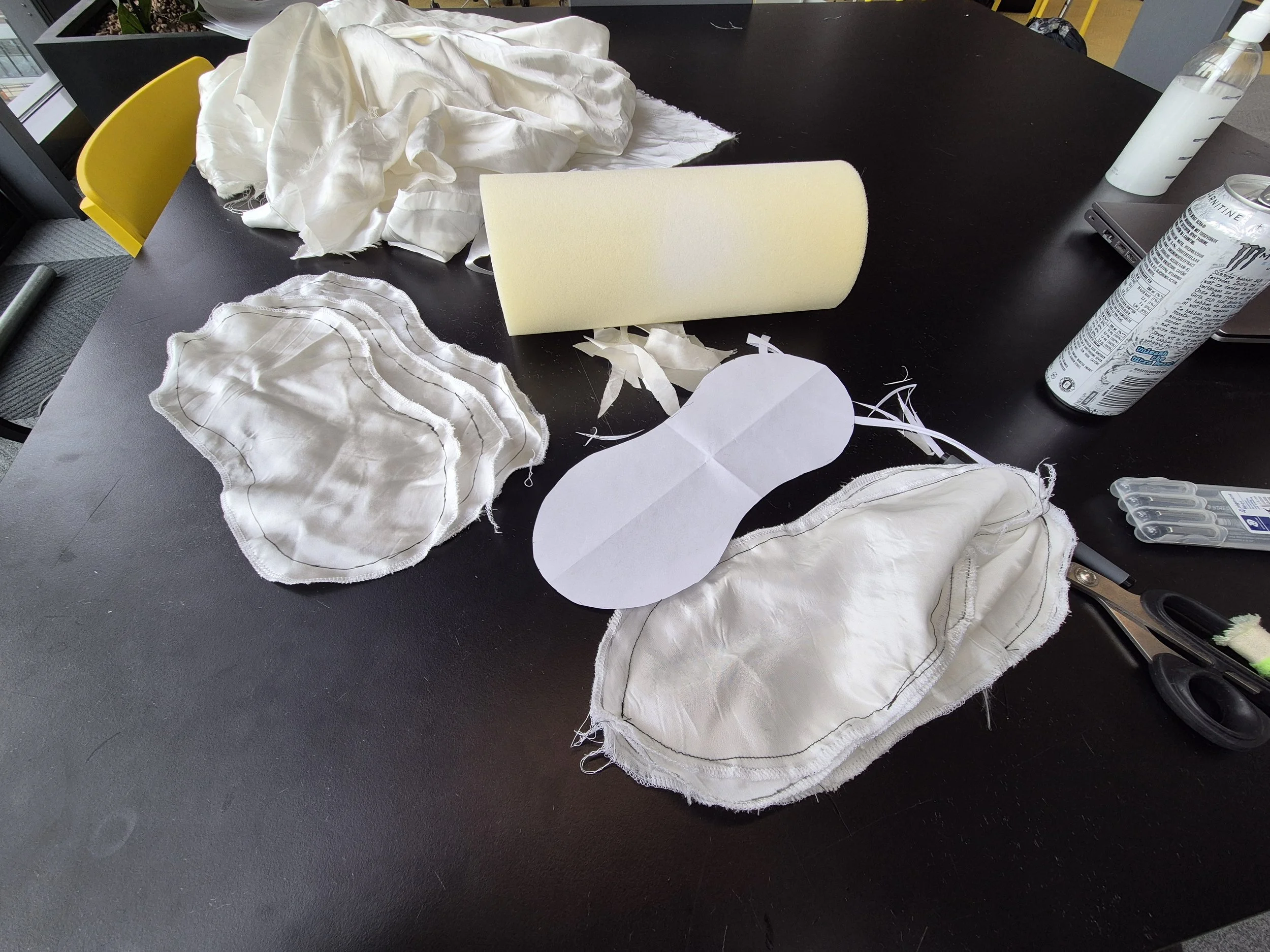
Another implication of the design is the societal impact. This could encourage the pursuit of a more sustainable approach in designing, for example, using scrap materials for prototyping, all the way to designing for reduced waste. Supporting longevity of the products or making them open-source and DIY friendly became one of my recent interests, and I would want to develop this design approach further in my professional career.
Creativity and Aesthetics
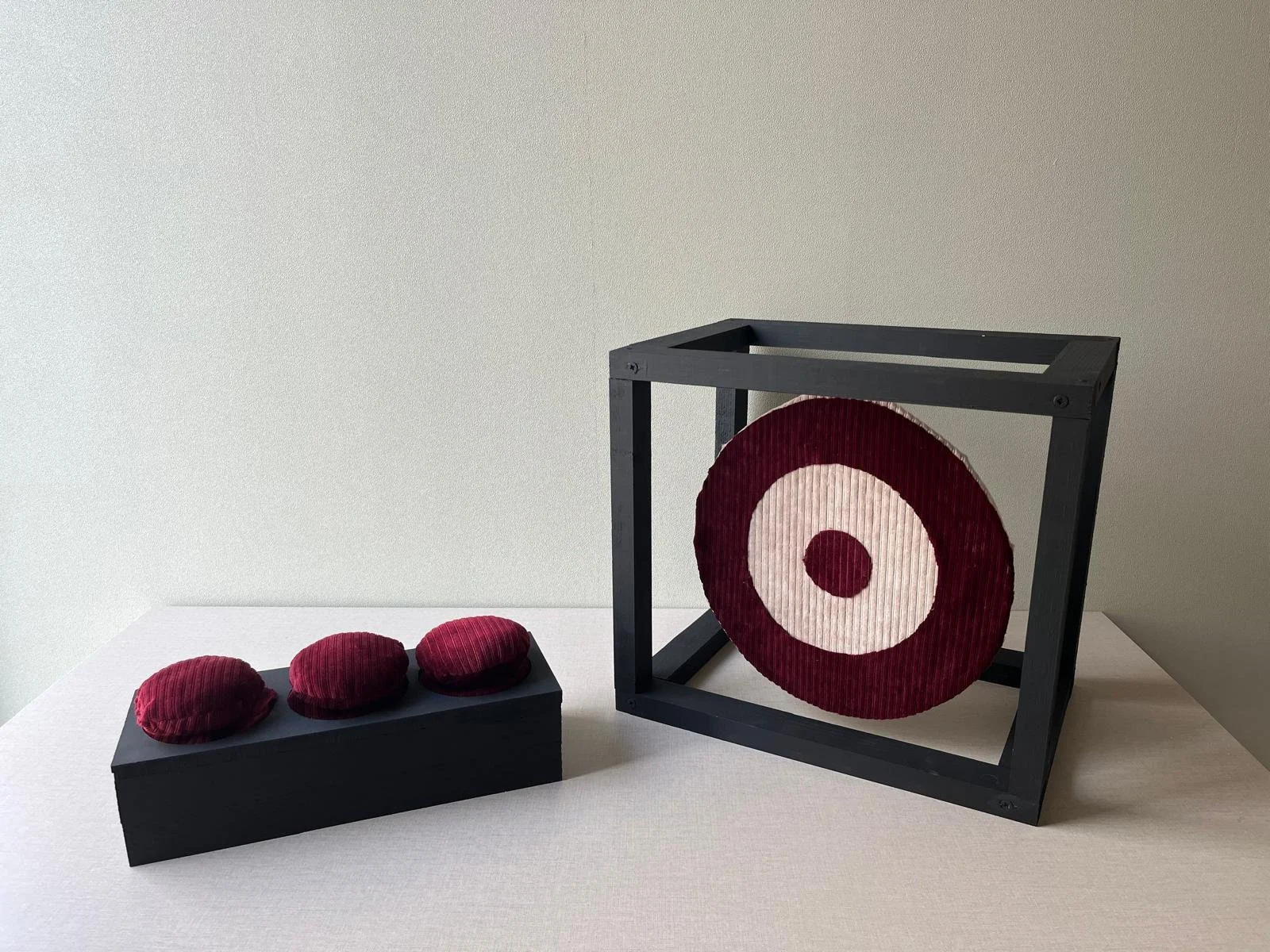
In the majority of my courses, I have focused on the aesthetics of the final deliverable. I wanted to deliver the highest quality prototypes, including craftsmanship or more advanced manufacturing techniques, such as 3D modelling, printing, and laser cutting.
These work in harmony with my identity and technology and realization, as I can make decisions on aesthetics based on feasibility when it comes to manufacturing. I started designing from the artistic approach of focusing on the appearance of the prototypes to making things aesthetically pleasing and functional to an extent.
Additionally, this expertise area helped me overcome the vagueness of the design process by allowing me to explore the topics and come up with creative solutions, which then helped me achieve specific results.
Technology and Realization
Technology and Realization became the most dominant expertise area throughout my studies. I have been applying and developing this expertise throughout my studies in almost all of my courses and projects.
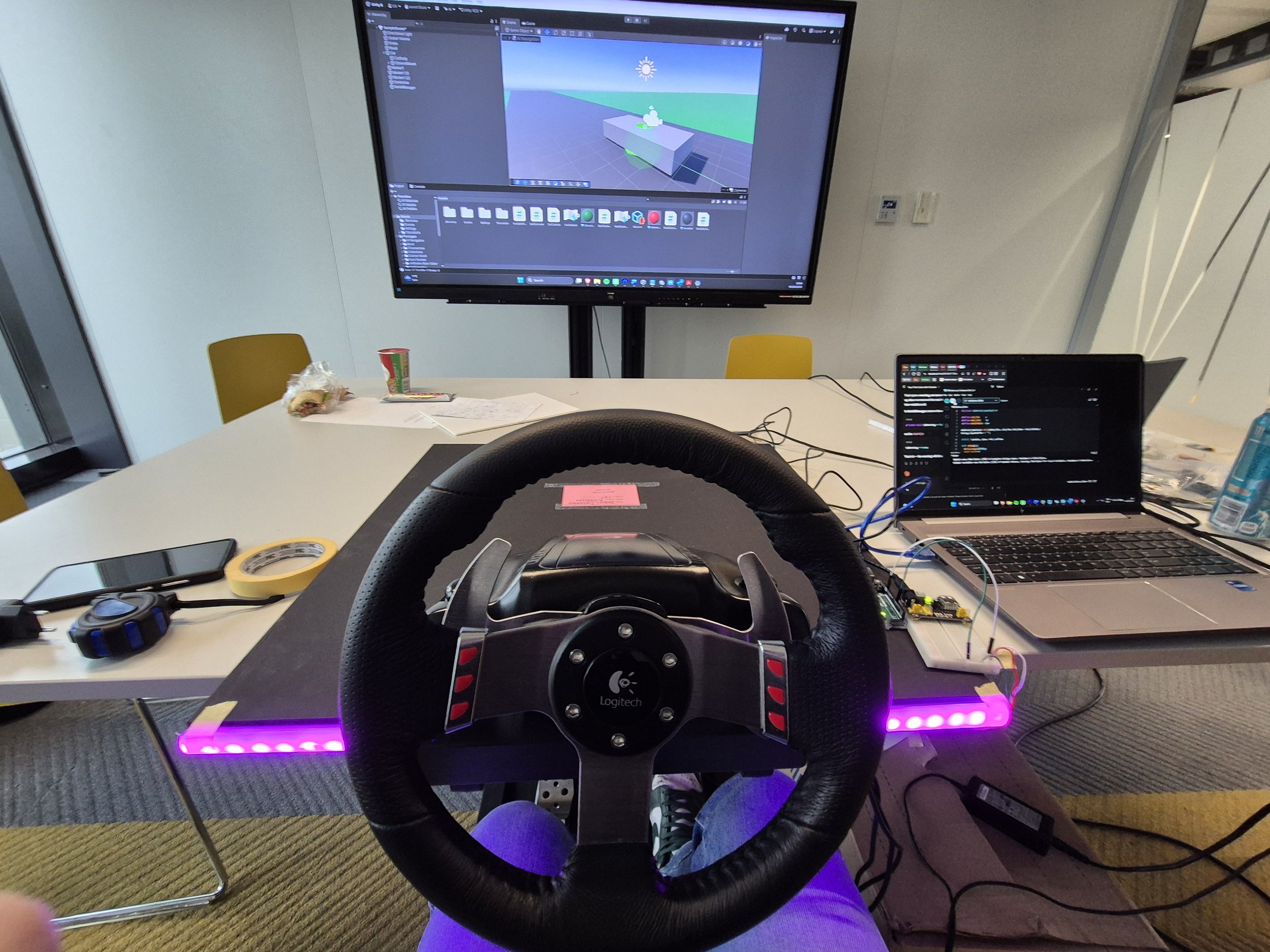
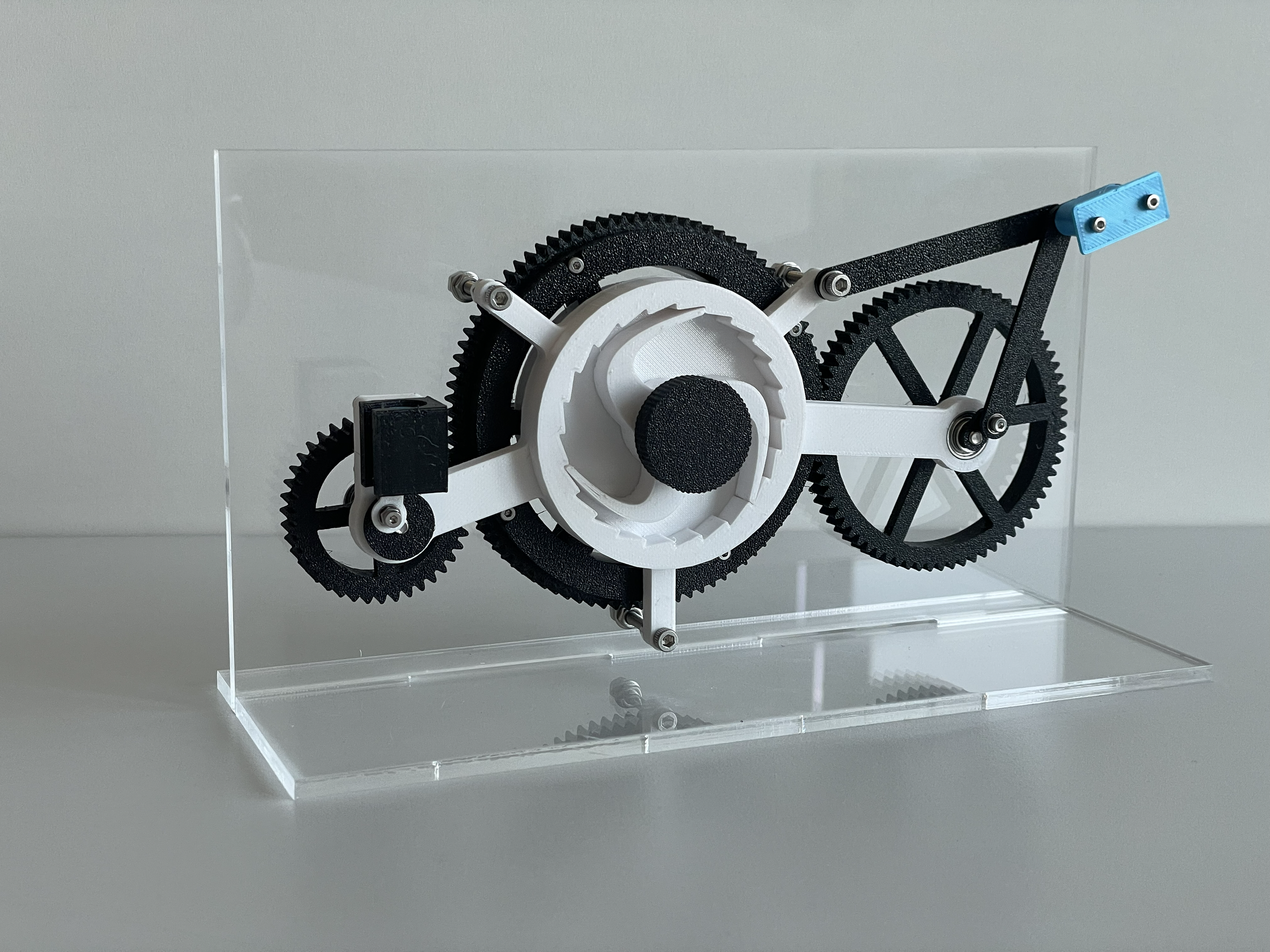
Most notable skills I developed are lo-fi and hi-fi prototyping, woodworking, 3D modelling, 3D printing, and assembling. I have used these skills in most of my projects and assignments, as it is closely aligned to my professional identity. Woodworking and 3D printing were the most dominant manufacturing techniques, but I have experienced laser cutting and sewing on machines as well. These skills have enabled me to explore possibilities when it comes to designing physical products, and I believe broadening my capabilities would increase my value to future employers, as it would make me more versatile.
Business and Entrepreneurship
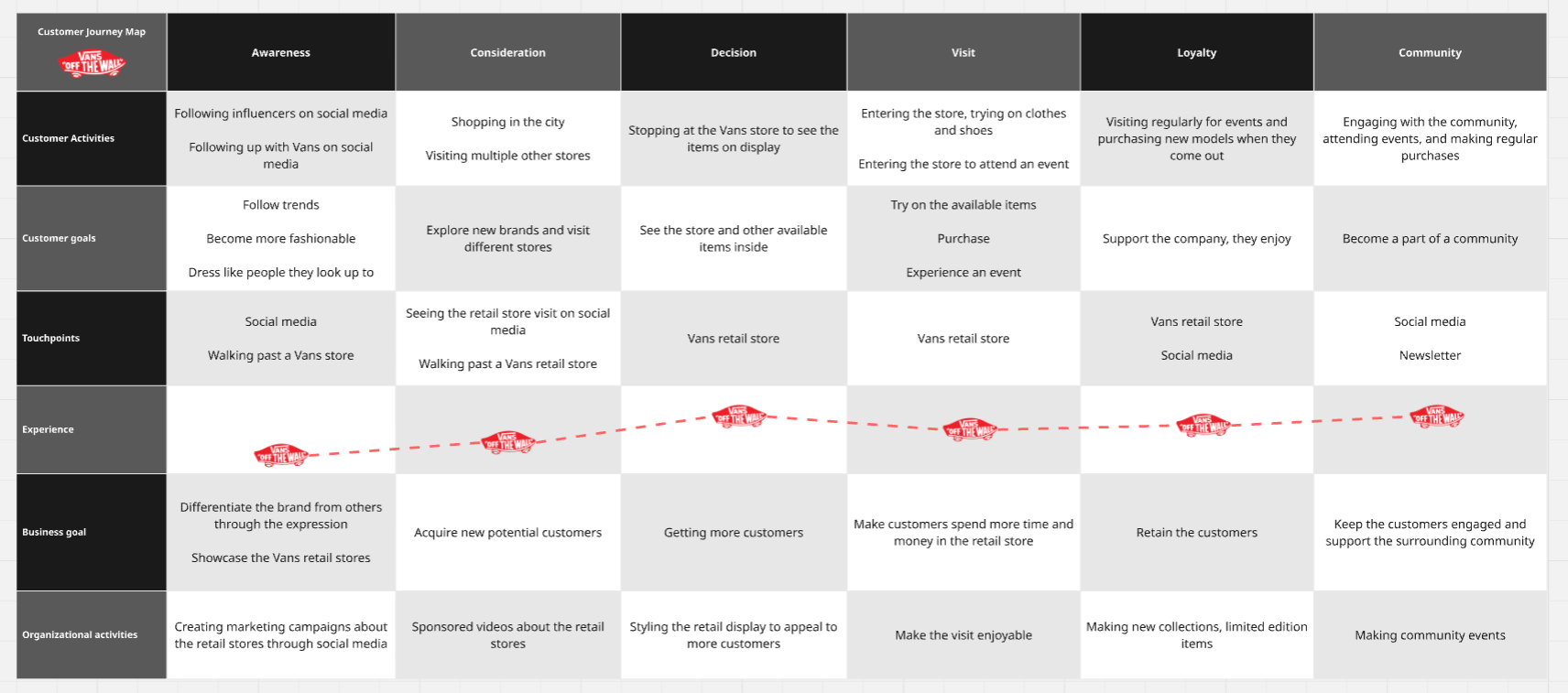
Within this expertise area, I initially wanted to understand the basics of entrepreneurship, as it was my intrinsic interest at the start of the studies. Understanding the core frameworks to understand the current market and competition, assessing the viability of the product, and making cost-benefit analyses are crucial elements in design.
I developed a Business Model Canvas for my Nessa projects, as well as doing competitor analysis to understand the unique standpoint of the project in the market. These and other frameworks make it easier to communicate the design proposals to stakeholders and team leaders. Additionally, they will help me recognize the value of design, and areas like patents and intellectual property could become critical if I decide to pursue freelancing in the design field.
Math, Data and Computing
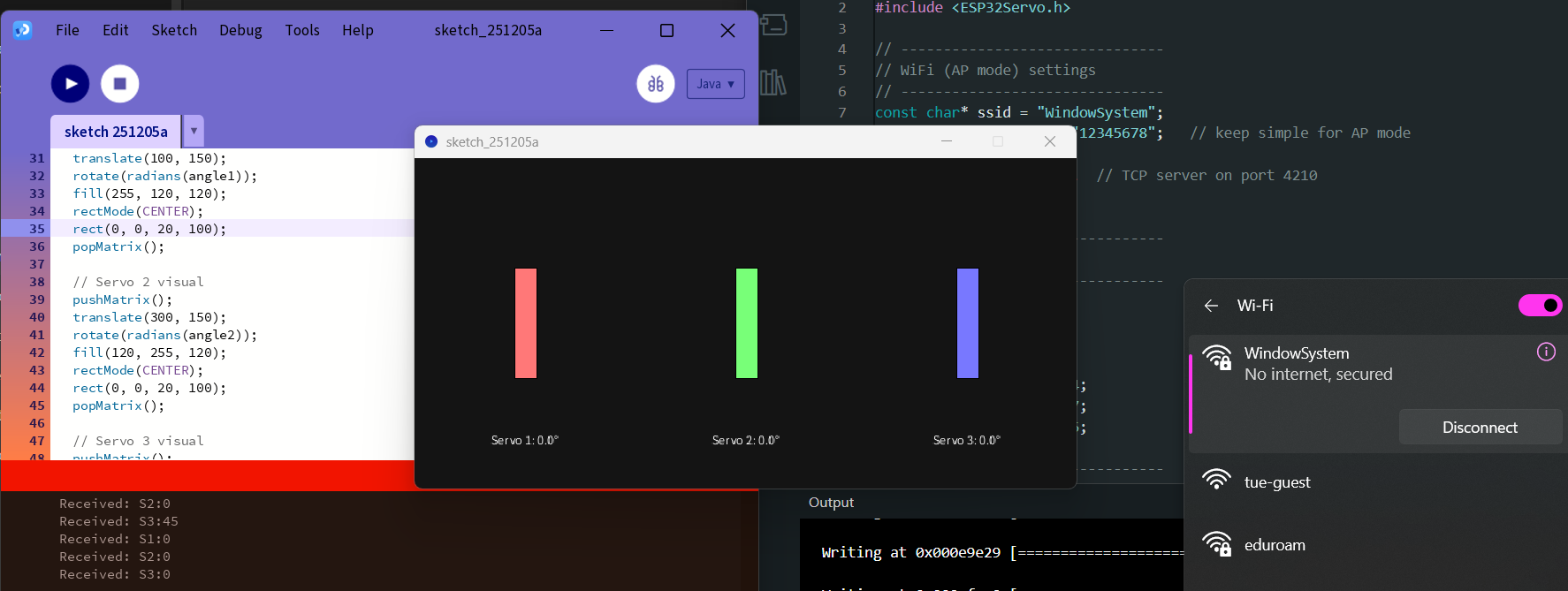
Despite working on a few different projects where I incorporated communications between microcontrollers and the digital, I still believe I can improve in this area and develop it even further. In some courses, I learned how to work with large datasets, but also how to creatively visualize smaller datasets.
A part of this expertise area I came to work with the most was interactive prototypes, which I used in some of my courses and demo day presentations, such as wireless communication between devices or using different software and programming languages to work together.